THE PROBLEM:
In-person testing results in limited data

In-person testing:
- Time-consuming
- Strains teacher capacity
- Test anxiety
- Language barriers
- Inconsistent data
- Human error
Limited Data
Early literacy assessment on key literacy outcomes is typically conducted inperson in order to capture a full understanding of a student’s proficiency.
In-person testing is time consuming, it strains teacher capacity and causes text anxiety for students. Language barriers and inconsistent data combined with human error all result in limited, inconsistent, and unreliable data.
OUR SOLUTION is R.E.A.L.
Real-time Early Assessment of Literacy
Our solution is R.E.A.L. — an AI-driven tool that automatically assesses the five key predictors of literacy* in real time, designed for use multiple times throughout the school year:
- Vocabulary/Listening
- Phonemic Awareness
- Phonics (Decoding)
- Reading Fluency
- Comprehension
R.E.A.L. can be implemented without an in-person administrator. It is quick (under 12 min), efficient, engaging, and scales easily. Assessments (or instructions) can be conducted in any language.
*Validated by research by World Bank an USAID. In-person versions used by EGRA and numerous other tests
R.E.A.L. is the cornerstone for improving literacy
R.E.A.L. has the potential to make a significant difference in early literacy by providing the education community with vast, relevant data in timescales that remain out of reach for many teachers and unimaginable today in most developing countries.
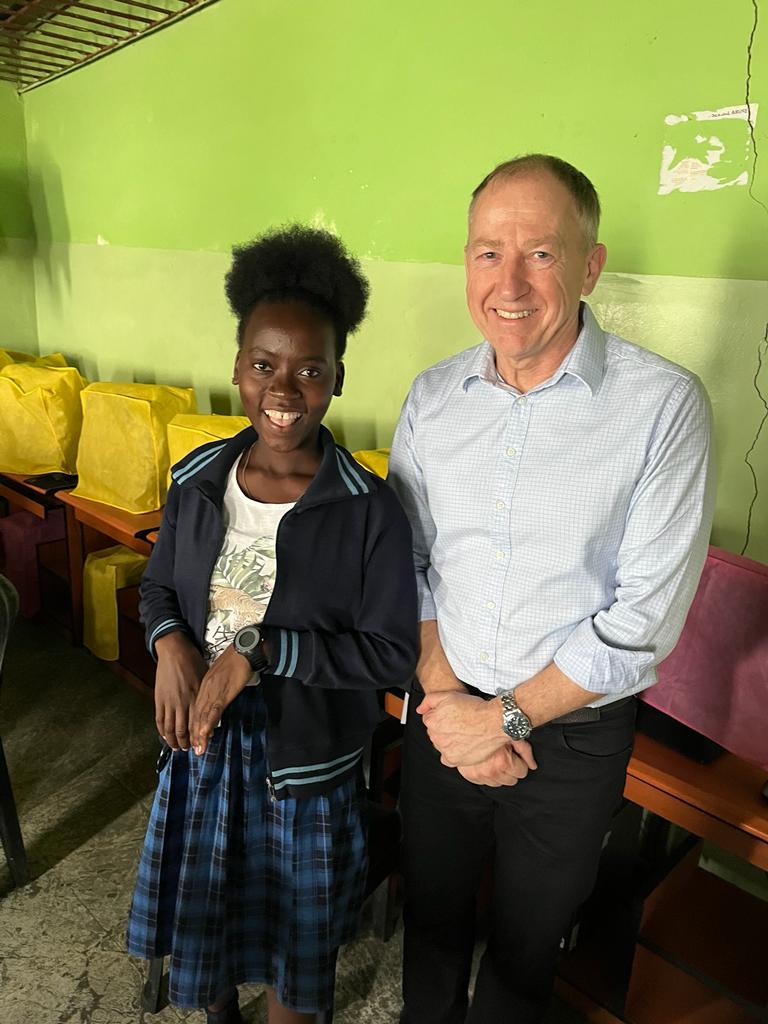
“Our aim over the next five years is make REAL as available as possible – that means to any school, anywhere.”
-Adam Smith L&LI Partner
R.E.A.L. Objective 1:
Data-informed literacy solutions and policy at scale
R.E.A.L. will provide highly relevant, just-in-time data throughout the year to educational policy makers— helping to inform timely and data-driven decisions on literacy instruction across large student populations.
This will help educational leaders make better locallyinformed decisions about how to address short and longterm literacy solutions and direct more efficient allocation of resources to boost literacy at scale.


R.E.A.L. Objective 2:
Improved literacy instruction for each class and student
The “real” effect of educational change happens in the classroom.
R.E.A.L. assessments—available almost immediately to individual schools and teachers—will help teachers focus on the practical levers that will lead to improved literacy outcomes. Assessments will help educators identify learning progress and address literacy gaps for each class and student using a standardized data format.
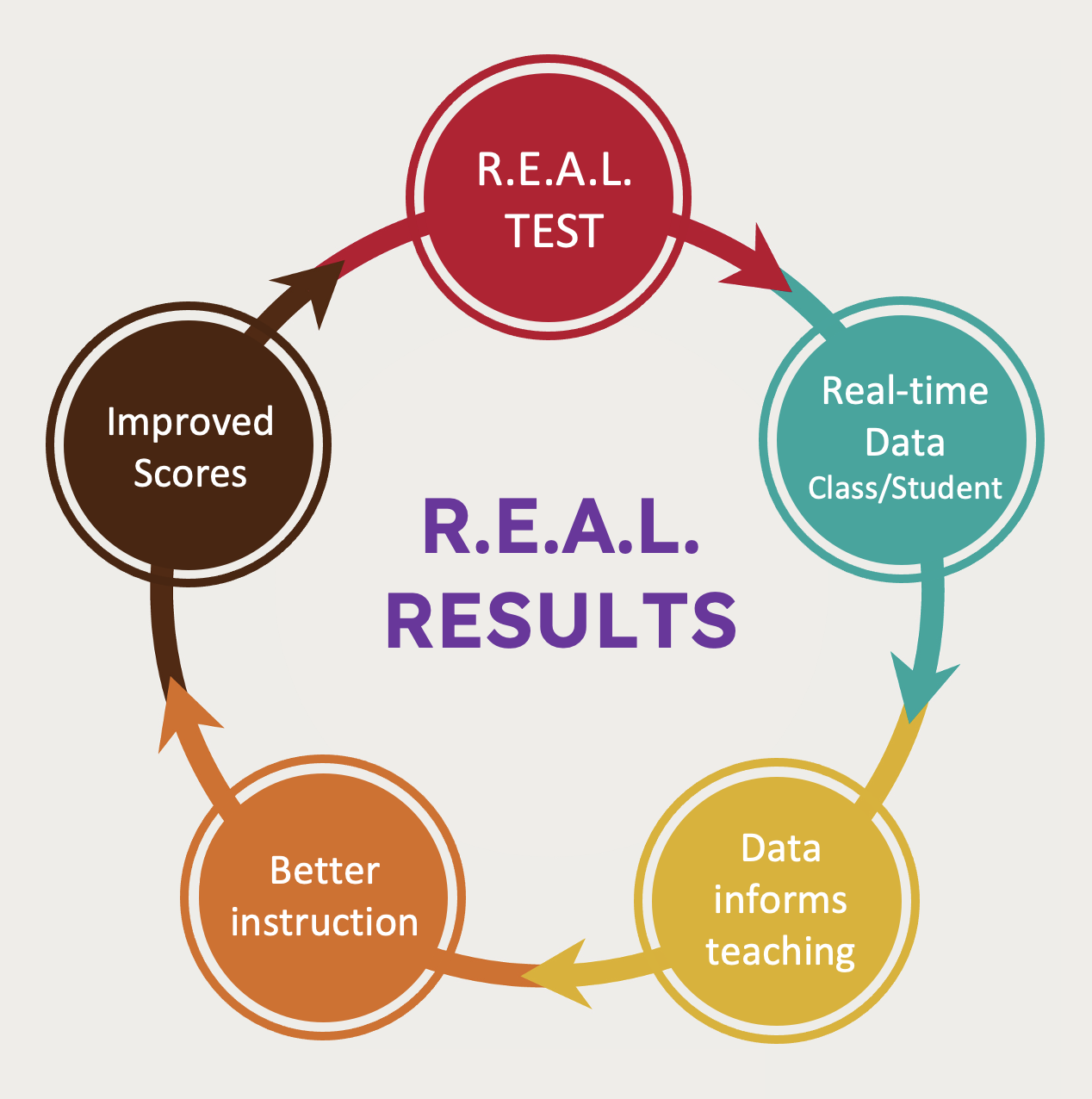
A Virtuous Learning Cycle
R.E.A.L. test’s easy-to administer, low-stakes assessment triggers a virtuous learning cycle:
- real-time outcome data immediately reveals class and student literacy gaps,
- enabling timely adjustments to teaching; • leading to better instruction,
- and ultimately resulting in improved scores with each subsequent test.
The goal: REAL RESULTS
R.E.A.L. DEVELOPMENT
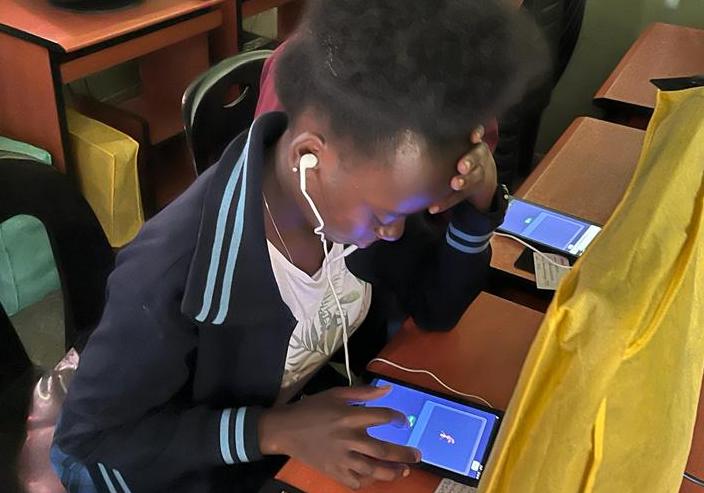
Research and development of R.E.A.L. is coordinated with partners and schools on three continents and even more languages.
Zambia

Nepal

U.S.
R.E.A.L. SEED FUNDING:

The idea for R.E.A.L. was born out of the 2022 Tools Competition.
The competition challenged us to think big — addressing the global literacy gap with a scalable solution while also providing large datasets for research free or at-cost.
We are grateful to all the funders for this remarkable opportunity to make a difference.